
Ferns and Mosses
Ferns and mosses want steady moisture and gentle light. Here is how to keep them lush without rotting the roots.
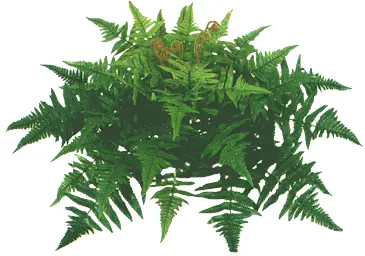
Caring for ferns and mosses as houseplants requires attention to their specific needs for moisture, light, and humidity. Here are some care tips for ferns and mosses as houseplants:
Ferns
Light requirements
Most ferns prefer bright, indirect light. Place them near a north- or east-facing window where they can receive filtered sunlight.
Avoid exposing ferns to direct sunlight, as it can scorch their delicate fronds. Save the sunny window for tropicals that want brighter light. Most ferns do better a few feet back.
Moisture
Ferns require consistent moisture to thrive. Keep the potting medium evenly moist but not waterlogged.
Water the ferns thoroughly, ensuring that excess water drains away. Empty any excess water from the saucer or cachepot to prevent root rot.
Mist the fronds occasionally to provide humidity and prevent them from drying out.
Humidity
Ferns prefer higher humidity levels. Consider using a humidifier or placing the ferns on trays filled with water and pebbles to increase humidity around them. Heated indoor air browns fern fronds, so raise the humidity.
Grouping ferns together can create a microclimate of higher humidity.
Potting medium
Use a well-draining potting mix specifically formulated for ferns or create a mix by combining peat moss, perlite, and coarse sand. Pot them in a mix that stays moist and still drains.
Ferns prefer slightly acidic soil.
Temperature
Most ferns prefer temperatures between 60°F (15°C) and 75°F (24°C).
Avoid placing them in areas with temperature extremes or near drafts.
Fertilizing
Fertilize ferns sparingly during the growing season, usually from spring to early fall.
Use a balanced, water-soluble fertilizer diluted to half the recommended strength.
Overfertilizing can cause damage to ferns, so it's better to err on the side of under-fertilizing.
Mosses
Moisture
Mosses require consistent moisture to thrive. Keep them evenly moist but not waterlogged.
Mist mosses regularly or provide a moist environment by placing them on a tray with water or misting the surrounding area.
Light
Mosses prefer low to medium light conditions, such as bright indirect light or dappled shade.
Avoid exposing them to direct sunlight for prolonged periods, as it can dry them out.
Humidity
Mosses thrive in high humidity environments. Mist them regularly or provide a humid environment by enclosing them in a terrarium or using a humidity tray.
Growing medium
Mosses can grow on various surfaces, including rocks, logs, or soil.
For potted mosses, use a well-draining, moisture-retentive medium like peat moss or a mixture of peat moss and sand.
Maintenance
Remove any debris or dead moss from the surface to maintain a healthy and attractive appearance.
Avoid stepping or applying pressure on mosses, as they are delicate and easily damaged.
It's important to note that there are various species of ferns and mosses, each with its specific care requirements. Research the specific needs of the fern or moss species you have to provide the best care and ensure their optimal growth and health. If you want a fern from the greenhouse, look at Boston ferns and other foliage plants.
Still unsure? Our technicians look at plants like yours every day. Send a photo and a note, or call 301.598.3843.
Keep reading
Related tips
Carnivorous Plants
Caring for carnivorous plants at home can be a fascinating and rewarding experience. These unique plants have adapted to survive in nutrient-poor…
3 min read Read the tip
Tropical Plants
How to keep tropical houseplants happy indoors: light, humidity, watering, and what to do when leaves brown.
3 min read Read the tip
Orchids
Light, water, and rest periods for orchids at home, so blooms last and the plant comes back next season.
3 min read Read the tip
Succulents and Cacti
Succulents and cacti fail from too much kindness. Water, potting mix, and light that actually match the plant.
3 min read Read the tipPlants Alive!
Need help with your plants?
Talk with our team about commercial care, event rentals, or plants for your home. Fifty years of tropicals, one phone number.
Call the greenhouse
301.598.3843