
Carnivorous Plants
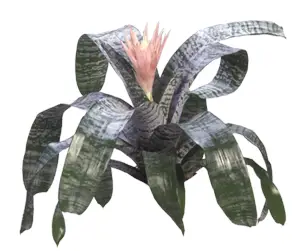
Caring for carnivorous plants at home can be a fascinating and rewarding experience. These unique plants have adapted to survive in nutrient-poor environments by obtaining nutrients from insects and other small prey. Here are some key things to know about caring for carnivorous plants:
Light requirements
Most carnivorous plants require bright, indirect light to thrive. Place them near a window with filtered sunlight or provide supplemental artificial grow lights.
Avoid exposing them to intense, direct sunlight for prolonged periods, as it can cause leaf burn.
Watering
Carnivorous plants generally prefer to be kept consistently moist, but it’s important not to waterlog their soil or growing medium.
Use distilled or rainwater for watering, as tap water often contains minerals that can harm the plants over time.
For Venus flytraps and most American pitcher plants, keep a shallow tray of distilled or rain water touching the drainage holes so the mix stays wet. For Nepenthes, water thoroughly and let the pot drain. Do not leave a Nepenthes standing in water.
Growing medium
Carnivorous plants require a specific growing medium that mimics their natural habitat. Most commonly, a mix of sphagnum moss and perlite is used.
Avoid using regular potting soil or mixes containing fertilizers, as they can harm carnivorous plants.
Humidity
Carnivorous plants prefer higher humidity levels. You can increase humidity around the plants by placing them on trays with water and pebbles or using a humidifier.
Avoid misting the foliage directly, as it can wash away the sticky traps or cause fungal issues.
Feeding
Carnivorous plants obtain nutrients from capturing and digesting insects and other small prey. They can usually catch their own food when grown outdoors or near windows where insects are present.
If your carnivorous plant is not catching enough prey naturally, you may offer a single small insect, such as a fruit fly or a gnat, and only if the plant has caught nothing for weeks. Do not feed hamburger, fertilizer, or an insect larger than one trap. Feed them sparingly to avoid overfeeding.
Dormancy
Many carnivorous plants have a dormancy period during which they require a period of rest.
Research the specific dormancy requirements of your carnivorous plant species. Venus flytraps and most American pitcher plants need a cool, moist winter rest, not a dry one. Many Nepenthes keep growing and do not need a dormancy.
Pest control
Carnivorous plants are generally resistant to common pests, but they can occasionally be affected by fungal or bacterial issues.
Monitor the plants regularly for signs of pests or diseases, such as mold, rot, or discoloration. Remove the affected tissue and correct the moisture. Do not spray a general houseplant fungicide on these plants.
Patience
Carnivorous plants can be slow-growing, and it may take time for them to establish and display their full carnivorous capabilities.
Be patient and allow the plants to adapt to their new environment. With proper care, they will reward you with their unique and fascinating features.
It’s essential to research the specific care requirements of the carnivorous plant species you have, as different species may have slightly different needs. By providing the appropriate growing conditions and mimicking their natural environment, you can enjoy the beauty and captivating behavior of these extraordinary plants.
Pot them in plain peat or sphagnum moss, with no fertilizer in the mix. Their needs run opposite to most houseplants, so do not treat them like tropical foliage. What matters most is the water: mineral-free water, not a normal watering schedule. If mineral-free water is too much work, choose an easier plant that lives on tap water.
Still unsure? Our technicians look at plants like yours every day. Send a photo and a note, or call 301.598.3843.
Keep reading
Related tips
Tropical Plants
How to keep tropical houseplants happy indoors: light, humidity, watering, and what to do when leaves brown.
3 min read Read the tip
Ferns and Mosses
Ferns and mosses want steady moisture and gentle light. Here is how to keep them lush without rotting the roots.
3 min read Read the tip
Orchids
Light, water, and rest periods for orchids at home, so blooms last and the plant comes back next season.
3 min read Read the tip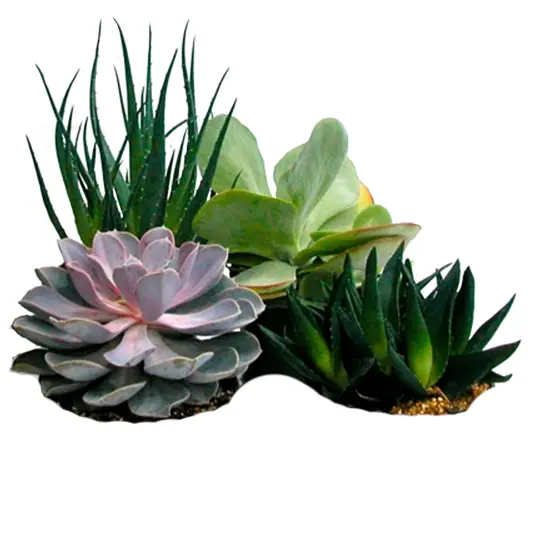
Succulents and Cacti
Succulents and cacti fail from too much kindness. Water, potting mix, and light that actually match the plant.
3 min read Read the tipPlants Alive!
Need help with your plants?
Talk with our team about commercial care, event rentals, or plants for your home. Fifty years of tropicals, one phone number.
Call the greenhouse
301.598.3843