
Understanding Plant Nutritional Needs
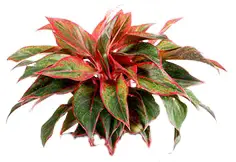
Understanding plant nutritional needs
Houseplants require essential nutrients to support their growth, development, and overall health. While these nutrients are typically obtained from the soil, it’s important to ensure that houseplants receive a balanced supply of nutrients. Here are the primary nutritional needs of houseplants:
Macronutrients
Nitrogen (N) is essential for vegetative growth, leaf development, and overall plant vigor.
Phosphorus (P) is crucial for root development, flowering, fruiting, and seed production.
Potassium (K) contributes to overall plant health, disease resistance, and the development of strong stems and roots.
Secondary nutrients
Calcium (Ca) is important for cell wall development, building cell walls. A shortage shows up as distorted new leaves.
Magnesium (Mg) is essential for chlorophyll production, aiding in photosynthesis.
Micronutrients
Iron (Fe) is vital for chlorophyll synthesis, contributing to healthy leaf coloration.
Zinc (Zn), manganese (Mn), copper (Cu), boron (B), molybdenum (Mo), and others are required in smaller amounts, but are still necessary for proper plant growth, enzyme activity, and metabolic processes.
Secondary nutrients also include sulfur. Micronutrients also include chlorine. Yellow older leaves often mean nitrogen is short. A purple cast can mean phosphorus. Yellow leaves with green veins can mean iron.
For an iron shortage, apply an iron chelate or iron sulfate to the mix.
If the pH is outside the range for the plant, add lime to raise pH or sulfur to lower pH, and follow the product instructions.
Some tap water contains salts or other minerals that can build up in the mix and unbalance nutrients. If water quality is the problem, use filtered or distilled water, or let tap water sit overnight so chlorine can dissipate.
To provide houseplants with the necessary nutrients, consider the following practices:
Quality potting mix
Use a well-balanced and nutrient-rich potting mix when planting or repotting houseplants. The mix should contain organic matter and provide a good balance of drainage and water-holding capacity.
Fertilization
Houseplants benefit from regular fertilization to supplement the nutrients available in the soil. Choose a fertilizer specifically formulated for houseplants or indoor plants. Fertilizers are typically labeled with three numbers representing the ratio of nitrogen (N), phosphorus (P), and potassium (K) in that order. Follow the recommended application rates and frequency based on the specific product and the needs of your plants.
Balanced fertilizer
Look for a balanced fertilizer that contains equal or close to equal ratios of nitrogen (N), phosphorus (P), and potassium (K). This ensures that the plants receive a well-rounded supply of macronutrients.
Slow-release or controlled-release fertilizers
Consider using slow-release or controlled-release fertilizers that provide a gradual and steady supply of nutrients over an extended period. These types of fertilizers reduce the risk of over-fertilizing and minimize the need for frequent applications.
Foliar feeding
Some plants can benefit from foliar feeding, where a diluted fertilizer solution is sprayed onto the leaves. This can be particularly useful for correcting nutrient deficiencies or supplementing micronutrients.
Adjusting fertilization based on plant growth stages
Different growth stages of plants have varying nutrient requirements. Adjust your fertilization routine based on the specific growth stage of your houseplants, such as during periods of active growth, flowering, or dormancy.
Monitoring and observation
Regularly monitor your plants for signs of nutrient deficiencies or excesses. Symptoms such as yellowing leaves, stunted growth, or leaf discoloration can indicate nutrient imbalances. Adjust your fertilization routine or seek expert advice if necessary.
Remember to follow the specific instructions provided by the fertilizer manufacturer and consider the specific needs of your houseplants when providing them with the necessary nutrients. By ensuring proper nutrition, you can support the healthy growth and vitality of your houseplants.
If the leaves point to a missing nutrient, learn how to treat a shortage. Buy the bag only after you know how to read the label.
Still unsure? Our technicians look at plants like yours every day. Send a photo and a note, or call 301.598.3843.
Keep reading
Related tips

Preventing and Treating Nutrient Deficiencies
Preventing and treating nutrient deficiencies in houseplants is crucial to ensure their healthy growth and development. Here are some steps to prevent…
3 min read Read the tip
Applying Fertilizers Correctly
Applying fertilizer correctly to your houseplants is essential to ensure that they receive the necessary nutrients without causing harm. Here are some…
3 min read Read the tip
Selecting the Right Fertilizer
What the numbers on a fertilizer label mean, and how to pick one that feeds without burning roots.
5 min read Read the tipPlants Alive!
Need help with your plants?
Talk with our team about commercial care, event rentals, or plants for your home. Fifty years of tropicals, one phone number.
Call the greenhouse
301.598.3843